Thinking beyond the interface
Thoughtful articles on UX, strategy and the craft of designing products that work, inside and out.
Heading 2 for SEO
All topics
Design guides
UI/UX insights
Creative startups
Branding
Tool & trend review
Branding
The Powerful Impact of Microinteractions: Enhancing Every Detail of the User Experience
Imagine walking down a busy city street. Among the bustling shops and flashing signs, your eye catches a familiar logo — clean, clear, and unmistakably recognizable. You smile, instantly knowing the brand, its values, and even the experiences you’ve had with it. That’s the power of a well-designed logo.
But now, imagine that same logo squeezed onto a tiny smartphone screen. It’s pixelated, distorted, or completely illegible. The brand’s strong identity has crumbled, all because it wasn’t designed to adapt.

Key Takeaways
In today’s multi-device world, your logo must adapt across screen sizes to stay clear, recognizable, and professional. A responsive logo ensures consistency and trust, whether it appears on a massive desktop or a tiny smartwatch.
To prepare your logo for responsive design systems, keep it simple, scalable, and flexible. Use vector formats, create multiple versions for different devices, and test thoroughly across platforms. Maintaining visual clarity, color consistency, and adaptability helps your brand make a strong impression — anytime, anywhere.
Why Is It Important to Have a Responsive Logo?
Changing a logo's approach is the most efficient way to manage screen sizing sensitivity, effortless resizing, and creating multiple variations to ensure adaptability across different platforms and sizes. Multiple versions of your logo can help maintain structure on all device sizes, ranging from small to large.
Desktop Version: The full logo, which contains the brand mark and text, is available on larger screens.
Tablet Version: As you downsize, you may need to compress or modify the logo. This can include removing the tagline or having an abstraction of the logo.
Mobile Version: For smaller screens, consider using a greatly simplified version of the brand mark or possibly an abbreviation of the logo.
All these adjustments ensure the logo retains its integrity and aesthetics regardless of the device used. Changing the logo based on the device being used should be no difficulty because it will guarantee ease of accessibility on every device.
The Future of Responsive Logos
As technology evolves, so does logo design. Brands are now experimenting with dynamic logos that change based on user behavior, season, or even location. For example:
A logo that adopts winter colors in December.
A logo that subtly animates when hovered over on a website.
A logo that scales perfectly, whether seen on a smartwatch or a 4K monitor.
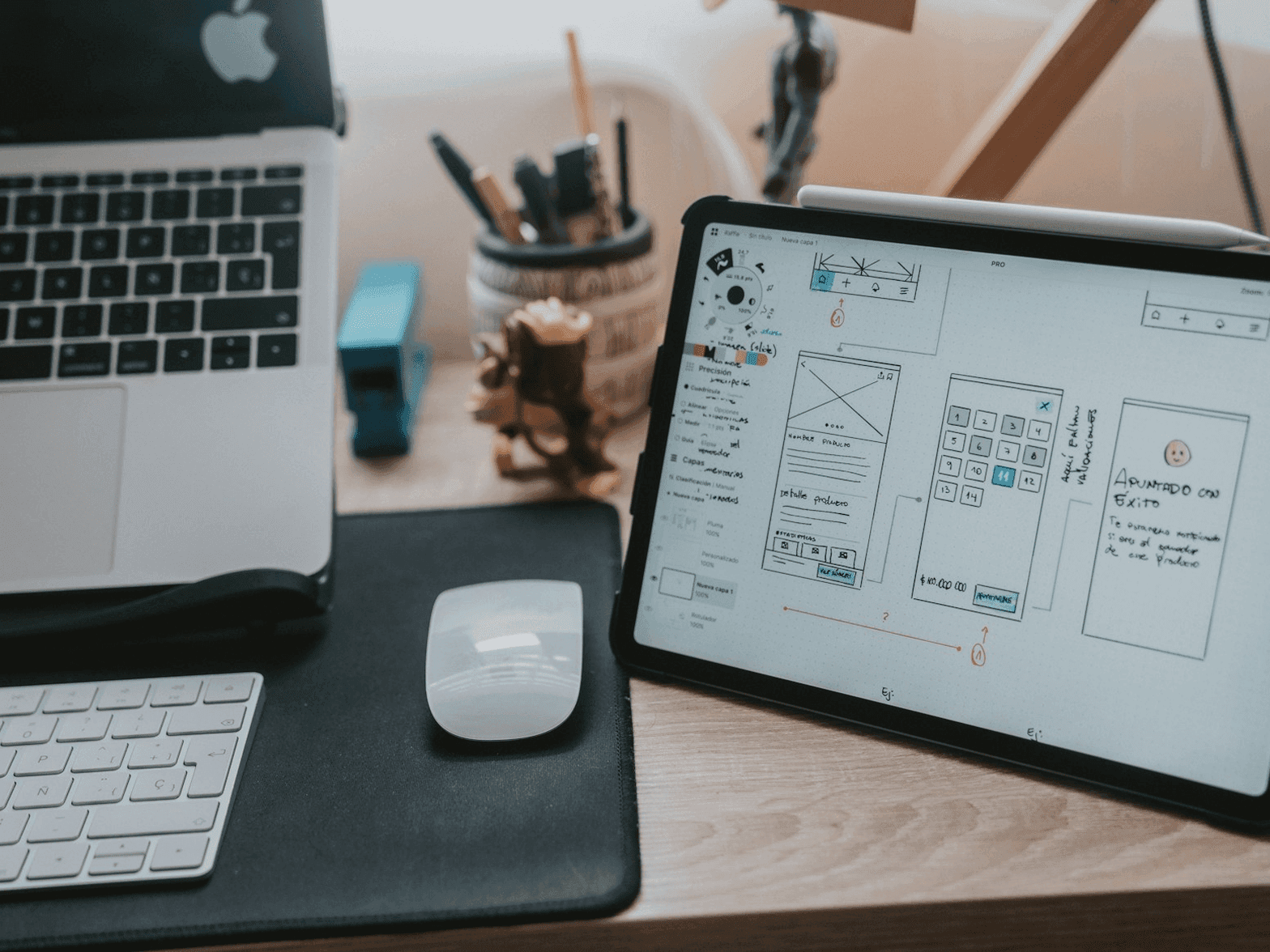
Responsive logos are no longer just an option — they are a necessity in a multi-device world. They ensure your brand stays consistent, recognizable, and engaging, no matter where or how your customers encounter it.
The Future of Responsive Logos
Imagine walking down a busy city street. Among the bustling shops and flashing signs, your eye catches a familiar logo — clean, clear, and unmistakably recognizable. You smile, instantly knowing the brand, its values, and even the experiences you’ve had with it. That’s the power of a well-designed logo.
But now, imagine that same logo squeezed onto a tiny smartphone screen. It’s pixelated, distorted, or completely illegible. The brand’s strong identity has crumbled, all because it wasn’t designed to adapt.
Oct 2, 2025
6
min Read

Design Guides
Crafting Delight: The Role of Emotion in UI Design
Emotional design isn’t fluff — it’s a core part of engaging user experiences. Learn how to trigger user delight through subtle, intentional design choices that create lasting impressions.
But now, imagine that same logo squeezed onto a tiny smartphone screen. It’s pixelated, distorted, or completely illegible. The brand’s strong identity has crumbled, all because it wasn’t designed to adapt.
Key Takeaways
In today’s multi-device world, your logo must adapt across screen sizes to stay clear, recognizable, and professional. A responsive logo ensures consistency and trust, whether it appears on a massive desktop or a tiny smartwatch.
To prepare your logo for responsive design systems, keep it simple, scalable, and flexible. Use vector formats, create multiple versions for different devices, and test thoroughly across platforms. Maintaining visual clarity, color consistency, and adaptability helps your brand make a strong impression — anytime, anywhere.
Why Is It Important to Have a Responsive Logo?
Changing a logo's approach is the most efficient way to manage screen sizing sensitivity, effortless resizing, and creating multiple variations to ensure adaptability across different platforms and sizes. Multiple versions of your logo can help maintain structure on all device sizes, ranging from small to large.
Desktop Version: The full logo, which contains the brand mark and text, is available on larger screens.
Tablet Version: As you downsize, you may need to compress or modify the logo. This can include removing the tagline or having an abstraction of the logo.
Mobile Version: For smaller screens, consider using a greatly simplified version of the brand mark or possibly an abbreviation of the logo.
All these adjustments ensure the logo retains its integrity and aesthetics regardless of the device used. Changing the logo based on the device being used should be no difficulty because it will guarantee ease of accessibility on every device.
The Future of Responsive Logos
As technology evolves, so does logo design. Brands are now experimenting with dynamic logos that change based on user behavior, season, or even location. For example:
A logo that adopts winter colors in December.
A logo that subtly animates when hovered over on a website.
A logo that scales perfectly, whether seen on a smartwatch or a 4K monitor.
Responsive logos are no longer just an option — they are a necessity in a multi-device world. They ensure your brand stays consistent, recognizable, and engaging, no matter where or how your customers encounter it.
The Future of Responsive Logos
Imagine walking down a busy city street. Among the bustling shops and flashing signs, your eye catches a familiar logo — clean, clear, and unmistakably recognizable. You smile, instantly knowing the brand, its values, and even the experiences you’ve had with it. That’s the power of a well-designed logo.
But now, imagine that same logo squeezed onto a tiny smartphone screen. It’s pixelated, distorted, or completely illegible. The brand’s strong identity has crumbled, all because it wasn’t designed to adapt.
Oct 2, 2025
6
min Read

Creative Startups
Dark Mode Isn’t Just a Trend — It’s a Usability Win
Explore the psychology and science behind dark mode, and when to use it effectively. We'll also share tips on contrast, color palette choices, and accessibility do's and don'ts.
But now, imagine that same logo squeezed onto a tiny smartphone screen. It’s pixelated, distorted, or completely illegible. The brand’s strong identity has crumbled, all because it wasn’t designed to adapt.
Key Takeaways
In today’s multi-device world, your logo must adapt across screen sizes to stay clear, recognizable, and professional. A responsive logo ensures consistency and trust, whether it appears on a massive desktop or a tiny smartwatch.
To prepare your logo for responsive design systems, keep it simple, scalable, and flexible. Use vector formats, create multiple versions for different devices, and test thoroughly across platforms. Maintaining visual clarity, color consistency, and adaptability helps your brand make a strong impression — anytime, anywhere.
Why Is It Important to Have a Responsive Logo?
Changing a logo's approach is the most efficient way to manage screen sizing sensitivity, effortless resizing, and creating multiple variations to ensure adaptability across different platforms and sizes. Multiple versions of your logo can help maintain structure on all device sizes, ranging from small to large.
Desktop Version: The full logo, which contains the brand mark and text, is available on larger screens.
Tablet Version: As you downsize, you may need to compress or modify the logo. This can include removing the tagline or having an abstraction of the logo.
Mobile Version: For smaller screens, consider using a greatly simplified version of the brand mark or possibly an abbreviation of the logo.
All these adjustments ensure the logo retains its integrity and aesthetics regardless of the device used. Changing the logo based on the device being used should be no difficulty because it will guarantee ease of accessibility on every device.
The Future of Responsive Logos
As technology evolves, so does logo design. Brands are now experimenting with dynamic logos that change based on user behavior, season, or even location. For example:
A logo that adopts winter colors in December.
A logo that subtly animates when hovered over on a website.
A logo that scales perfectly, whether seen on a smartwatch or a 4K monitor.
Responsive logos are no longer just an option — they are a necessity in a multi-device world. They ensure your brand stays consistent, recognizable, and engaging, no matter where or how your customers encounter it.
The Future of Responsive Logos
Imagine walking down a busy city street. Among the bustling shops and flashing signs, your eye catches a familiar logo — clean, clear, and unmistakably recognizable. You smile, instantly knowing the brand, its values, and even the experiences you’ve had with it. That’s the power of a well-designed logo.
But now, imagine that same logo squeezed onto a tiny smartphone screen. It’s pixelated, distorted, or completely illegible. The brand’s strong identity has crumbled, all because it wasn’t designed to adapt.
Oct 2, 2025
8
min Read

UI/UX Insights
Figma vs. Framer: Which Design Tool Should You Bet On?
We compare two of the most popular design tools head-to-head based on speed, collaboration, and developer handoff. Find out which one fits your workflow best.
But now, imagine that same logo squeezed onto a tiny smartphone screen. It’s pixelated, distorted, or completely illegible. The brand’s strong identity has crumbled, all because it wasn’t designed to adapt.
Key Takeaways
In today’s multi-device world, your logo must adapt across screen sizes to stay clear, recognizable, and professional. A responsive logo ensures consistency and trust, whether it appears on a massive desktop or a tiny smartwatch.
To prepare your logo for responsive design systems, keep it simple, scalable, and flexible. Use vector formats, create multiple versions for different devices, and test thoroughly across platforms. Maintaining visual clarity, color consistency, and adaptability helps your brand make a strong impression — anytime, anywhere.
Why Is It Important to Have a Responsive Logo?
Changing a logo's approach is the most efficient way to manage screen sizing sensitivity, effortless resizing, and creating multiple variations to ensure adaptability across different platforms and sizes. Multiple versions of your logo can help maintain structure on all device sizes, ranging from small to large.
Desktop Version: The full logo, which contains the brand mark and text, is available on larger screens.
Tablet Version: As you downsize, you may need to compress or modify the logo. This can include removing the tagline or having an abstraction of the logo.
Mobile Version: For smaller screens, consider using a greatly simplified version of the brand mark or possibly an abbreviation of the logo.
All these adjustments ensure the logo retains its integrity and aesthetics regardless of the device used. Changing the logo based on the device being used should be no difficulty because it will guarantee ease of accessibility on every device.
The Future of Responsive Logos
As technology evolves, so does logo design. Brands are now experimenting with dynamic logos that change based on user behavior, season, or even location. For example:
A logo that adopts winter colors in December.
A logo that subtly animates when hovered over on a website.
A logo that scales perfectly, whether seen on a smartwatch or a 4K monitor.
Responsive logos are no longer just an option — they are a necessity in a multi-device world. They ensure your brand stays consistent, recognizable, and engaging, no matter where or how your customers encounter it.
The Future of Responsive Logos
Imagine walking down a busy city street. Among the bustling shops and flashing signs, your eye catches a familiar logo — clean, clear, and unmistakably recognizable. You smile, instantly knowing the brand, its values, and even the experiences you’ve had with it. That’s the power of a well-designed logo.
But now, imagine that same logo squeezed onto a tiny smartphone screen. It’s pixelated, distorted, or completely illegible. The brand’s strong identity has crumbled, all because it wasn’t designed to adapt.
Oct 2, 2025
4
min Read

Tool & Trend Reviews
How to Design SaaS Dashboards That Don’t Overwhelm Users First
Designing dashboards is hard. But cluttered screens don’t build trust. We break down a clean, modular approach to building dashboards with visual hierarchy and purpose.
But now, imagine that same logo squeezed onto a tiny smartphone screen. It’s pixelated, distorted, or completely illegible. The brand’s strong identity has crumbled, all because it wasn’t designed to adapt.
Key Takeaways
In today’s multi-device world, your logo must adapt across screen sizes to stay clear, recognizable, and professional. A responsive logo ensures consistency and trust, whether it appears on a massive desktop or a tiny smartwatch.
To prepare your logo for responsive design systems, keep it simple, scalable, and flexible. Use vector formats, create multiple versions for different devices, and test thoroughly across platforms. Maintaining visual clarity, color consistency, and adaptability helps your brand make a strong impression — anytime, anywhere.
Why Is It Important to Have a Responsive Logo?
Changing a logo's approach is the most efficient way to manage screen sizing sensitivity, effortless resizing, and creating multiple variations to ensure adaptability across different platforms and sizes. Multiple versions of your logo can help maintain structure on all device sizes, ranging from small to large.
Desktop Version: The full logo, which contains the brand mark and text, is available on larger screens.
Tablet Version: As you downsize, you may need to compress or modify the logo. This can include removing the tagline or having an abstraction of the logo.
Mobile Version: For smaller screens, consider using a greatly simplified version of the brand mark or possibly an abbreviation of the logo.
All these adjustments ensure the logo retains its integrity and aesthetics regardless of the device used. Changing the logo based on the device being used should be no difficulty because it will guarantee ease of accessibility on every device.
The Future of Responsive Logos
As technology evolves, so does logo design. Brands are now experimenting with dynamic logos that change based on user behavior, season, or even location. For example:
A logo that adopts winter colors in December.
A logo that subtly animates when hovered over on a website.
A logo that scales perfectly, whether seen on a smartwatch or a 4K monitor.
Responsive logos are no longer just an option — they are a necessity in a multi-device world. They ensure your brand stays consistent, recognizable, and engaging, no matter where or how your customers encounter it.
The Future of Responsive Logos
Imagine walking down a busy city street. Among the bustling shops and flashing signs, your eye catches a familiar logo — clean, clear, and unmistakably recognizable. You smile, instantly knowing the brand, its values, and even the experiences you’ve had with it. That’s the power of a well-designed logo.
But now, imagine that same logo squeezed onto a tiny smartphone screen. It’s pixelated, distorted, or completely illegible. The brand’s strong identity has crumbled, all because it wasn’t designed to adapt.
Oct 2, 2025
6
min Read

Creative Startups
Enhancing Every Detail of the User Experience
Microinteractions may seem like minor elements in a digital product, but their impact is profound. These subtle design details.
But now, imagine that same logo squeezed onto a tiny smartphone screen. It’s pixelated, distorted, or completely illegible. The brand’s strong identity has crumbled, all because it wasn’t designed to adapt.
Key Takeaways
In today’s multi-device world, your logo must adapt across screen sizes to stay clear, recognizable, and professional. A responsive logo ensures consistency and trust, whether it appears on a massive desktop or a tiny smartwatch.
To prepare your logo for responsive design systems, keep it simple, scalable, and flexible. Use vector formats, create multiple versions for different devices, and test thoroughly across platforms. Maintaining visual clarity, color consistency, and adaptability helps your brand make a strong impression — anytime, anywhere.
Why Is It Important to Have a Responsive Logo?
Changing a logo's approach is the most efficient way to manage screen sizing sensitivity, effortless resizing, and creating multiple variations to ensure adaptability across different platforms and sizes. Multiple versions of your logo can help maintain structure on all device sizes, ranging from small to large.
Desktop Version: The full logo, which contains the brand mark and text, is available on larger screens.
Tablet Version: As you downsize, you may need to compress or modify the logo. This can include removing the tagline or having an abstraction of the logo.
Mobile Version: For smaller screens, consider using a greatly simplified version of the brand mark or possibly an abbreviation of the logo.
All these adjustments ensure the logo retains its integrity and aesthetics regardless of the device used. Changing the logo based on the device being used should be no difficulty because it will guarantee ease of accessibility on every device.
The Future of Responsive Logos
As technology evolves, so does logo design. Brands are now experimenting with dynamic logos that change based on user behavior, season, or even location. For example:
A logo that adopts winter colors in December.
A logo that subtly animates when hovered over on a website.
A logo that scales perfectly, whether seen on a smartwatch or a 4K monitor.
Responsive logos are no longer just an option — they are a necessity in a multi-device world. They ensure your brand stays consistent, recognizable, and engaging, no matter where or how your customers encounter it.
The Future of Responsive Logos
Imagine walking down a busy city street. Among the bustling shops and flashing signs, your eye catches a familiar logo — clean, clear, and unmistakably recognizable. You smile, instantly knowing the brand, its values, and even the experiences you’ve had with it. That’s the power of a well-designed logo.
But now, imagine that same logo squeezed onto a tiny smartphone screen. It’s pixelated, distorted, or completely illegible. The brand’s strong identity has crumbled, all because it wasn’t designed to adapt.
Oct 2, 2025
6
min Read

All topics
Design guides
UI/UX insights
Creative startups
Branding
Tool & trend review
Branding
The Powerful Impact of Microinteractions: Enhancing Every Detail of the User Experience
Imagine walking down a busy city street. Among the bustling shops and flashing signs, your eye catches a familiar logo — clean, clear, and unmistakably recognizable. You smile, instantly knowing the brand, its values, and even the experiences you’ve had with it. That’s the power of a well-designed logo.
But now, imagine that same logo squeezed onto a tiny smartphone screen. It’s pixelated, distorted, or completely illegible. The brand’s strong identity has crumbled, all because it wasn’t designed to adapt.
Key Takeaways
In today’s multi-device world, your logo must adapt across screen sizes to stay clear, recognizable, and professional. A responsive logo ensures consistency and trust, whether it appears on a massive desktop or a tiny smartwatch.
To prepare your logo for responsive design systems, keep it simple, scalable, and flexible. Use vector formats, create multiple versions for different devices, and test thoroughly across platforms. Maintaining visual clarity, color consistency, and adaptability helps your brand make a strong impression — anytime, anywhere.
Why Is It Important to Have a Responsive Logo?
Changing a logo's approach is the most efficient way to manage screen sizing sensitivity, effortless resizing, and creating multiple variations to ensure adaptability across different platforms and sizes. Multiple versions of your logo can help maintain structure on all device sizes, ranging from small to large.
Desktop Version: The full logo, which contains the brand mark and text, is available on larger screens.
Tablet Version: As you downsize, you may need to compress or modify the logo. This can include removing the tagline or having an abstraction of the logo.
Mobile Version: For smaller screens, consider using a greatly simplified version of the brand mark or possibly an abbreviation of the logo.
All these adjustments ensure the logo retains its integrity and aesthetics regardless of the device used. Changing the logo based on the device being used should be no difficulty because it will guarantee ease of accessibility on every device.
The Future of Responsive Logos
As technology evolves, so does logo design. Brands are now experimenting with dynamic logos that change based on user behavior, season, or even location. For example:
A logo that adopts winter colors in December.
A logo that subtly animates when hovered over on a website.
A logo that scales perfectly, whether seen on a smartwatch or a 4K monitor.
Responsive logos are no longer just an option — they are a necessity in a multi-device world. They ensure your brand stays consistent, recognizable, and engaging, no matter where or how your customers encounter it.
The Future of Responsive Logos
Imagine walking down a busy city street. Among the bustling shops and flashing signs, your eye catches a familiar logo — clean, clear, and unmistakably recognizable. You smile, instantly knowing the brand, its values, and even the experiences you’ve had with it. That’s the power of a well-designed logo.
But now, imagine that same logo squeezed onto a tiny smartphone screen. It’s pixelated, distorted, or completely illegible. The brand’s strong identity has crumbled, all because it wasn’t designed to adapt.
Oct 2, 2025
6
min Read
Design Guides
Crafting Delight: The Role of Emotion in UI Design
Emotional design isn’t fluff — it’s a core part of engaging user experiences. Learn how to trigger user delight through subtle, intentional design choices that create lasting impressions.
But now, imagine that same logo squeezed onto a tiny smartphone screen. It’s pixelated, distorted, or completely illegible. The brand’s strong identity has crumbled, all because it wasn’t designed to adapt.
Key Takeaways
In today’s multi-device world, your logo must adapt across screen sizes to stay clear, recognizable, and professional. A responsive logo ensures consistency and trust, whether it appears on a massive desktop or a tiny smartwatch.
To prepare your logo for responsive design systems, keep it simple, scalable, and flexible. Use vector formats, create multiple versions for different devices, and test thoroughly across platforms. Maintaining visual clarity, color consistency, and adaptability helps your brand make a strong impression — anytime, anywhere.
Why Is It Important to Have a Responsive Logo?
Changing a logo's approach is the most efficient way to manage screen sizing sensitivity, effortless resizing, and creating multiple variations to ensure adaptability across different platforms and sizes. Multiple versions of your logo can help maintain structure on all device sizes, ranging from small to large.
Desktop Version: The full logo, which contains the brand mark and text, is available on larger screens.
Tablet Version: As you downsize, you may need to compress or modify the logo. This can include removing the tagline or having an abstraction of the logo.
Mobile Version: For smaller screens, consider using a greatly simplified version of the brand mark or possibly an abbreviation of the logo.
All these adjustments ensure the logo retains its integrity and aesthetics regardless of the device used. Changing the logo based on the device being used should be no difficulty because it will guarantee ease of accessibility on every device.
The Future of Responsive Logos
As technology evolves, so does logo design. Brands are now experimenting with dynamic logos that change based on user behavior, season, or even location. For example:
A logo that adopts winter colors in December.
A logo that subtly animates when hovered over on a website.
A logo that scales perfectly, whether seen on a smartwatch or a 4K monitor.
Responsive logos are no longer just an option — they are a necessity in a multi-device world. They ensure your brand stays consistent, recognizable, and engaging, no matter where or how your customers encounter it.
The Future of Responsive Logos
Imagine walking down a busy city street. Among the bustling shops and flashing signs, your eye catches a familiar logo — clean, clear, and unmistakably recognizable. You smile, instantly knowing the brand, its values, and even the experiences you’ve had with it. That’s the power of a well-designed logo.
But now, imagine that same logo squeezed onto a tiny smartphone screen. It’s pixelated, distorted, or completely illegible. The brand’s strong identity has crumbled, all because it wasn’t designed to adapt.
Oct 2, 2025
6
min Read
Creative Startups
Dark Mode Isn’t Just a Trend — It’s a Usability Win
Explore the psychology and science behind dark mode, and when to use it effectively. We'll also share tips on contrast, color palette choices, and accessibility do's and don'ts.
But now, imagine that same logo squeezed onto a tiny smartphone screen. It’s pixelated, distorted, or completely illegible. The brand’s strong identity has crumbled, all because it wasn’t designed to adapt.
Key Takeaways
In today’s multi-device world, your logo must adapt across screen sizes to stay clear, recognizable, and professional. A responsive logo ensures consistency and trust, whether it appears on a massive desktop or a tiny smartwatch.
To prepare your logo for responsive design systems, keep it simple, scalable, and flexible. Use vector formats, create multiple versions for different devices, and test thoroughly across platforms. Maintaining visual clarity, color consistency, and adaptability helps your brand make a strong impression — anytime, anywhere.
Why Is It Important to Have a Responsive Logo?
Changing a logo's approach is the most efficient way to manage screen sizing sensitivity, effortless resizing, and creating multiple variations to ensure adaptability across different platforms and sizes. Multiple versions of your logo can help maintain structure on all device sizes, ranging from small to large.
Desktop Version: The full logo, which contains the brand mark and text, is available on larger screens.
Tablet Version: As you downsize, you may need to compress or modify the logo. This can include removing the tagline or having an abstraction of the logo.
Mobile Version: For smaller screens, consider using a greatly simplified version of the brand mark or possibly an abbreviation of the logo.
All these adjustments ensure the logo retains its integrity and aesthetics regardless of the device used. Changing the logo based on the device being used should be no difficulty because it will guarantee ease of accessibility on every device.
The Future of Responsive Logos
As technology evolves, so does logo design. Brands are now experimenting with dynamic logos that change based on user behavior, season, or even location. For example:
A logo that adopts winter colors in December.
A logo that subtly animates when hovered over on a website.
A logo that scales perfectly, whether seen on a smartwatch or a 4K monitor.
Responsive logos are no longer just an option — they are a necessity in a multi-device world. They ensure your brand stays consistent, recognizable, and engaging, no matter where or how your customers encounter it.
The Future of Responsive Logos
Imagine walking down a busy city street. Among the bustling shops and flashing signs, your eye catches a familiar logo — clean, clear, and unmistakably recognizable. You smile, instantly knowing the brand, its values, and even the experiences you’ve had with it. That’s the power of a well-designed logo.
But now, imagine that same logo squeezed onto a tiny smartphone screen. It’s pixelated, distorted, or completely illegible. The brand’s strong identity has crumbled, all because it wasn’t designed to adapt.
Oct 2, 2025
8
min Read
UI/UX Insights
Figma vs. Framer: Which Design Tool Should You Bet On?
We compare two of the most popular design tools head-to-head based on speed, collaboration, and developer handoff. Find out which one fits your workflow best.
But now, imagine that same logo squeezed onto a tiny smartphone screen. It’s pixelated, distorted, or completely illegible. The brand’s strong identity has crumbled, all because it wasn’t designed to adapt.
Key Takeaways
In today’s multi-device world, your logo must adapt across screen sizes to stay clear, recognizable, and professional. A responsive logo ensures consistency and trust, whether it appears on a massive desktop or a tiny smartwatch.
To prepare your logo for responsive design systems, keep it simple, scalable, and flexible. Use vector formats, create multiple versions for different devices, and test thoroughly across platforms. Maintaining visual clarity, color consistency, and adaptability helps your brand make a strong impression — anytime, anywhere.
Why Is It Important to Have a Responsive Logo?
Changing a logo's approach is the most efficient way to manage screen sizing sensitivity, effortless resizing, and creating multiple variations to ensure adaptability across different platforms and sizes. Multiple versions of your logo can help maintain structure on all device sizes, ranging from small to large.
Desktop Version: The full logo, which contains the brand mark and text, is available on larger screens.
Tablet Version: As you downsize, you may need to compress or modify the logo. This can include removing the tagline or having an abstraction of the logo.
Mobile Version: For smaller screens, consider using a greatly simplified version of the brand mark or possibly an abbreviation of the logo.
All these adjustments ensure the logo retains its integrity and aesthetics regardless of the device used. Changing the logo based on the device being used should be no difficulty because it will guarantee ease of accessibility on every device.
The Future of Responsive Logos
As technology evolves, so does logo design. Brands are now experimenting with dynamic logos that change based on user behavior, season, or even location. For example:
A logo that adopts winter colors in December.
A logo that subtly animates when hovered over on a website.
A logo that scales perfectly, whether seen on a smartwatch or a 4K monitor.
Responsive logos are no longer just an option — they are a necessity in a multi-device world. They ensure your brand stays consistent, recognizable, and engaging, no matter where or how your customers encounter it.
The Future of Responsive Logos
Imagine walking down a busy city street. Among the bustling shops and flashing signs, your eye catches a familiar logo — clean, clear, and unmistakably recognizable. You smile, instantly knowing the brand, its values, and even the experiences you’ve had with it. That’s the power of a well-designed logo.
But now, imagine that same logo squeezed onto a tiny smartphone screen. It’s pixelated, distorted, or completely illegible. The brand’s strong identity has crumbled, all because it wasn’t designed to adapt.
Oct 2, 2025
4
min Read
Tool & Trend Reviews
How to Design SaaS Dashboards That Don’t Overwhelm Users First
Designing dashboards is hard. But cluttered screens don’t build trust. We break down a clean, modular approach to building dashboards with visual hierarchy and purpose.
But now, imagine that same logo squeezed onto a tiny smartphone screen. It’s pixelated, distorted, or completely illegible. The brand’s strong identity has crumbled, all because it wasn’t designed to adapt.
Key Takeaways
In today’s multi-device world, your logo must adapt across screen sizes to stay clear, recognizable, and professional. A responsive logo ensures consistency and trust, whether it appears on a massive desktop or a tiny smartwatch.
To prepare your logo for responsive design systems, keep it simple, scalable, and flexible. Use vector formats, create multiple versions for different devices, and test thoroughly across platforms. Maintaining visual clarity, color consistency, and adaptability helps your brand make a strong impression — anytime, anywhere.
Why Is It Important to Have a Responsive Logo?
Changing a logo's approach is the most efficient way to manage screen sizing sensitivity, effortless resizing, and creating multiple variations to ensure adaptability across different platforms and sizes. Multiple versions of your logo can help maintain structure on all device sizes, ranging from small to large.
Desktop Version: The full logo, which contains the brand mark and text, is available on larger screens.
Tablet Version: As you downsize, you may need to compress or modify the logo. This can include removing the tagline or having an abstraction of the logo.
Mobile Version: For smaller screens, consider using a greatly simplified version of the brand mark or possibly an abbreviation of the logo.
All these adjustments ensure the logo retains its integrity and aesthetics regardless of the device used. Changing the logo based on the device being used should be no difficulty because it will guarantee ease of accessibility on every device.
The Future of Responsive Logos
As technology evolves, so does logo design. Brands are now experimenting with dynamic logos that change based on user behavior, season, or even location. For example:
A logo that adopts winter colors in December.
A logo that subtly animates when hovered over on a website.
A logo that scales perfectly, whether seen on a smartwatch or a 4K monitor.
Responsive logos are no longer just an option — they are a necessity in a multi-device world. They ensure your brand stays consistent, recognizable, and engaging, no matter where or how your customers encounter it.
The Future of Responsive Logos
Imagine walking down a busy city street. Among the bustling shops and flashing signs, your eye catches a familiar logo — clean, clear, and unmistakably recognizable. You smile, instantly knowing the brand, its values, and even the experiences you’ve had with it. That’s the power of a well-designed logo.
But now, imagine that same logo squeezed onto a tiny smartphone screen. It’s pixelated, distorted, or completely illegible. The brand’s strong identity has crumbled, all because it wasn’t designed to adapt.
Oct 2, 2025
6
min Read
Creative Startups
Enhancing Every Detail of the User Experience
Microinteractions may seem like minor elements in a digital product, but their impact is profound. These subtle design details.
But now, imagine that same logo squeezed onto a tiny smartphone screen. It’s pixelated, distorted, or completely illegible. The brand’s strong identity has crumbled, all because it wasn’t designed to adapt.
Key Takeaways
In today’s multi-device world, your logo must adapt across screen sizes to stay clear, recognizable, and professional. A responsive logo ensures consistency and trust, whether it appears on a massive desktop or a tiny smartwatch.
To prepare your logo for responsive design systems, keep it simple, scalable, and flexible. Use vector formats, create multiple versions for different devices, and test thoroughly across platforms. Maintaining visual clarity, color consistency, and adaptability helps your brand make a strong impression — anytime, anywhere.
Why Is It Important to Have a Responsive Logo?
Changing a logo's approach is the most efficient way to manage screen sizing sensitivity, effortless resizing, and creating multiple variations to ensure adaptability across different platforms and sizes. Multiple versions of your logo can help maintain structure on all device sizes, ranging from small to large.
Desktop Version: The full logo, which contains the brand mark and text, is available on larger screens.
Tablet Version: As you downsize, you may need to compress or modify the logo. This can include removing the tagline or having an abstraction of the logo.
Mobile Version: For smaller screens, consider using a greatly simplified version of the brand mark or possibly an abbreviation of the logo.
All these adjustments ensure the logo retains its integrity and aesthetics regardless of the device used. Changing the logo based on the device being used should be no difficulty because it will guarantee ease of accessibility on every device.
The Future of Responsive Logos
As technology evolves, so does logo design. Brands are now experimenting with dynamic logos that change based on user behavior, season, or even location. For example:
A logo that adopts winter colors in December.
A logo that subtly animates when hovered over on a website.
A logo that scales perfectly, whether seen on a smartwatch or a 4K monitor.
Responsive logos are no longer just an option — they are a necessity in a multi-device world. They ensure your brand stays consistent, recognizable, and engaging, no matter where or how your customers encounter it.
The Future of Responsive Logos
Imagine walking down a busy city street. Among the bustling shops and flashing signs, your eye catches a familiar logo — clean, clear, and unmistakably recognizable. You smile, instantly knowing the brand, its values, and even the experiences you’ve had with it. That’s the power of a well-designed logo.
But now, imagine that same logo squeezed onto a tiny smartphone screen. It’s pixelated, distorted, or completely illegible. The brand’s strong identity has crumbled, all because it wasn’t designed to adapt.
Oct 2, 2025
6
min Read
All topics
Design guides
UI/UX insights
Creative startups
Branding
Tool & trend review
Branding
The Powerful Impact of Microinteractions: Enhancing Every Detail of the User Experience
Imagine walking down a busy city street. Among the bustling shops and flashing signs, your eye catches a familiar logo — clean, clear, and unmistakably recognizable. You smile, instantly knowing the brand, its values, and even the experiences you’ve had with it. That’s the power of a well-designed logo.
But now, imagine that same logo squeezed onto a tiny smartphone screen. It’s pixelated, distorted, or completely illegible. The brand’s strong identity has crumbled, all because it wasn’t designed to adapt.
Key Takeaways
In today’s multi-device world, your logo must adapt across screen sizes to stay clear, recognizable, and professional. A responsive logo ensures consistency and trust, whether it appears on a massive desktop or a tiny smartwatch.
To prepare your logo for responsive design systems, keep it simple, scalable, and flexible. Use vector formats, create multiple versions for different devices, and test thoroughly across platforms. Maintaining visual clarity, color consistency, and adaptability helps your brand make a strong impression — anytime, anywhere.
Why Is It Important to Have a Responsive Logo?
Changing a logo's approach is the most efficient way to manage screen sizing sensitivity, effortless resizing, and creating multiple variations to ensure adaptability across different platforms and sizes. Multiple versions of your logo can help maintain structure on all device sizes, ranging from small to large.
Desktop Version: The full logo, which contains the brand mark and text, is available on larger screens.
Tablet Version: As you downsize, you may need to compress or modify the logo. This can include removing the tagline or having an abstraction of the logo.
Mobile Version: For smaller screens, consider using a greatly simplified version of the brand mark or possibly an abbreviation of the logo.
All these adjustments ensure the logo retains its integrity and aesthetics regardless of the device used. Changing the logo based on the device being used should be no difficulty because it will guarantee ease of accessibility on every device.
The Future of Responsive Logos
As technology evolves, so does logo design. Brands are now experimenting with dynamic logos that change based on user behavior, season, or even location. For example:
A logo that adopts winter colors in December.
A logo that subtly animates when hovered over on a website.
A logo that scales perfectly, whether seen on a smartwatch or a 4K monitor.
Responsive logos are no longer just an option — they are a necessity in a multi-device world. They ensure your brand stays consistent, recognizable, and engaging, no matter where or how your customers encounter it.
The Future of Responsive Logos
Imagine walking down a busy city street. Among the bustling shops and flashing signs, your eye catches a familiar logo — clean, clear, and unmistakably recognizable. You smile, instantly knowing the brand, its values, and even the experiences you’ve had with it. That’s the power of a well-designed logo.
But now, imagine that same logo squeezed onto a tiny smartphone screen. It’s pixelated, distorted, or completely illegible. The brand’s strong identity has crumbled, all because it wasn’t designed to adapt.
Oct 2, 2025
6
min Read
Design Guides
Crafting Delight: The Role of Emotion in UI Design
Emotional design isn’t fluff — it’s a core part of engaging user experiences. Learn how to trigger user delight through subtle, intentional design choices that create lasting impressions.
But now, imagine that same logo squeezed onto a tiny smartphone screen. It’s pixelated, distorted, or completely illegible. The brand’s strong identity has crumbled, all because it wasn’t designed to adapt.
Key Takeaways
In today’s multi-device world, your logo must adapt across screen sizes to stay clear, recognizable, and professional. A responsive logo ensures consistency and trust, whether it appears on a massive desktop or a tiny smartwatch.
To prepare your logo for responsive design systems, keep it simple, scalable, and flexible. Use vector formats, create multiple versions for different devices, and test thoroughly across platforms. Maintaining visual clarity, color consistency, and adaptability helps your brand make a strong impression — anytime, anywhere.
Why Is It Important to Have a Responsive Logo?
Changing a logo's approach is the most efficient way to manage screen sizing sensitivity, effortless resizing, and creating multiple variations to ensure adaptability across different platforms and sizes. Multiple versions of your logo can help maintain structure on all device sizes, ranging from small to large.
Desktop Version: The full logo, which contains the brand mark and text, is available on larger screens.
Tablet Version: As you downsize, you may need to compress or modify the logo. This can include removing the tagline or having an abstraction of the logo.
Mobile Version: For smaller screens, consider using a greatly simplified version of the brand mark or possibly an abbreviation of the logo.
All these adjustments ensure the logo retains its integrity and aesthetics regardless of the device used. Changing the logo based on the device being used should be no difficulty because it will guarantee ease of accessibility on every device.
The Future of Responsive Logos
As technology evolves, so does logo design. Brands are now experimenting with dynamic logos that change based on user behavior, season, or even location. For example:
A logo that adopts winter colors in December.
A logo that subtly animates when hovered over on a website.
A logo that scales perfectly, whether seen on a smartwatch or a 4K monitor.
Responsive logos are no longer just an option — they are a necessity in a multi-device world. They ensure your brand stays consistent, recognizable, and engaging, no matter where or how your customers encounter it.
The Future of Responsive Logos
Imagine walking down a busy city street. Among the bustling shops and flashing signs, your eye catches a familiar logo — clean, clear, and unmistakably recognizable. You smile, instantly knowing the brand, its values, and even the experiences you’ve had with it. That’s the power of a well-designed logo.
But now, imagine that same logo squeezed onto a tiny smartphone screen. It’s pixelated, distorted, or completely illegible. The brand’s strong identity has crumbled, all because it wasn’t designed to adapt.
Oct 2, 2025
6
min Read
Creative Startups
Dark Mode Isn’t Just a Trend — It’s a Usability Win
Explore the psychology and science behind dark mode, and when to use it effectively. We'll also share tips on contrast, color palette choices, and accessibility do's and don'ts.
But now, imagine that same logo squeezed onto a tiny smartphone screen. It’s pixelated, distorted, or completely illegible. The brand’s strong identity has crumbled, all because it wasn’t designed to adapt.
Key Takeaways
In today’s multi-device world, your logo must adapt across screen sizes to stay clear, recognizable, and professional. A responsive logo ensures consistency and trust, whether it appears on a massive desktop or a tiny smartwatch.
To prepare your logo for responsive design systems, keep it simple, scalable, and flexible. Use vector formats, create multiple versions for different devices, and test thoroughly across platforms. Maintaining visual clarity, color consistency, and adaptability helps your brand make a strong impression — anytime, anywhere.
Why Is It Important to Have a Responsive Logo?
Changing a logo's approach is the most efficient way to manage screen sizing sensitivity, effortless resizing, and creating multiple variations to ensure adaptability across different platforms and sizes. Multiple versions of your logo can help maintain structure on all device sizes, ranging from small to large.
Desktop Version: The full logo, which contains the brand mark and text, is available on larger screens.
Tablet Version: As you downsize, you may need to compress or modify the logo. This can include removing the tagline or having an abstraction of the logo.
Mobile Version: For smaller screens, consider using a greatly simplified version of the brand mark or possibly an abbreviation of the logo.
All these adjustments ensure the logo retains its integrity and aesthetics regardless of the device used. Changing the logo based on the device being used should be no difficulty because it will guarantee ease of accessibility on every device.
The Future of Responsive Logos
As technology evolves, so does logo design. Brands are now experimenting with dynamic logos that change based on user behavior, season, or even location. For example:
A logo that adopts winter colors in December.
A logo that subtly animates when hovered over on a website.
A logo that scales perfectly, whether seen on a smartwatch or a 4K monitor.
Responsive logos are no longer just an option — they are a necessity in a multi-device world. They ensure your brand stays consistent, recognizable, and engaging, no matter where or how your customers encounter it.
The Future of Responsive Logos
Imagine walking down a busy city street. Among the bustling shops and flashing signs, your eye catches a familiar logo — clean, clear, and unmistakably recognizable. You smile, instantly knowing the brand, its values, and even the experiences you’ve had with it. That’s the power of a well-designed logo.
But now, imagine that same logo squeezed onto a tiny smartphone screen. It’s pixelated, distorted, or completely illegible. The brand’s strong identity has crumbled, all because it wasn’t designed to adapt.
Oct 2, 2025
8
min Read
UI/UX Insights
Figma vs. Framer: Which Design Tool Should You Bet On?
We compare two of the most popular design tools head-to-head based on speed, collaboration, and developer handoff. Find out which one fits your workflow best.
But now, imagine that same logo squeezed onto a tiny smartphone screen. It’s pixelated, distorted, or completely illegible. The brand’s strong identity has crumbled, all because it wasn’t designed to adapt.
Key Takeaways
In today’s multi-device world, your logo must adapt across screen sizes to stay clear, recognizable, and professional. A responsive logo ensures consistency and trust, whether it appears on a massive desktop or a tiny smartwatch.
To prepare your logo for responsive design systems, keep it simple, scalable, and flexible. Use vector formats, create multiple versions for different devices, and test thoroughly across platforms. Maintaining visual clarity, color consistency, and adaptability helps your brand make a strong impression — anytime, anywhere.
Why Is It Important to Have a Responsive Logo?
Changing a logo's approach is the most efficient way to manage screen sizing sensitivity, effortless resizing, and creating multiple variations to ensure adaptability across different platforms and sizes. Multiple versions of your logo can help maintain structure on all device sizes, ranging from small to large.
Desktop Version: The full logo, which contains the brand mark and text, is available on larger screens.
Tablet Version: As you downsize, you may need to compress or modify the logo. This can include removing the tagline or having an abstraction of the logo.
Mobile Version: For smaller screens, consider using a greatly simplified version of the brand mark or possibly an abbreviation of the logo.
All these adjustments ensure the logo retains its integrity and aesthetics regardless of the device used. Changing the logo based on the device being used should be no difficulty because it will guarantee ease of accessibility on every device.
The Future of Responsive Logos
As technology evolves, so does logo design. Brands are now experimenting with dynamic logos that change based on user behavior, season, or even location. For example:
A logo that adopts winter colors in December.
A logo that subtly animates when hovered over on a website.
A logo that scales perfectly, whether seen on a smartwatch or a 4K monitor.
Responsive logos are no longer just an option — they are a necessity in a multi-device world. They ensure your brand stays consistent, recognizable, and engaging, no matter where or how your customers encounter it.
The Future of Responsive Logos
Imagine walking down a busy city street. Among the bustling shops and flashing signs, your eye catches a familiar logo — clean, clear, and unmistakably recognizable. You smile, instantly knowing the brand, its values, and even the experiences you’ve had with it. That’s the power of a well-designed logo.
But now, imagine that same logo squeezed onto a tiny smartphone screen. It’s pixelated, distorted, or completely illegible. The brand’s strong identity has crumbled, all because it wasn’t designed to adapt.
Oct 2, 2025
4
min Read
Tool & Trend Reviews
How to Design SaaS Dashboards That Don’t Overwhelm Users First
Designing dashboards is hard. But cluttered screens don’t build trust. We break down a clean, modular approach to building dashboards with visual hierarchy and purpose.
But now, imagine that same logo squeezed onto a tiny smartphone screen. It’s pixelated, distorted, or completely illegible. The brand’s strong identity has crumbled, all because it wasn’t designed to adapt.
Key Takeaways
In today’s multi-device world, your logo must adapt across screen sizes to stay clear, recognizable, and professional. A responsive logo ensures consistency and trust, whether it appears on a massive desktop or a tiny smartwatch.
To prepare your logo for responsive design systems, keep it simple, scalable, and flexible. Use vector formats, create multiple versions for different devices, and test thoroughly across platforms. Maintaining visual clarity, color consistency, and adaptability helps your brand make a strong impression — anytime, anywhere.
Why Is It Important to Have a Responsive Logo?
Changing a logo's approach is the most efficient way to manage screen sizing sensitivity, effortless resizing, and creating multiple variations to ensure adaptability across different platforms and sizes. Multiple versions of your logo can help maintain structure on all device sizes, ranging from small to large.
Desktop Version: The full logo, which contains the brand mark and text, is available on larger screens.
Tablet Version: As you downsize, you may need to compress or modify the logo. This can include removing the tagline or having an abstraction of the logo.
Mobile Version: For smaller screens, consider using a greatly simplified version of the brand mark or possibly an abbreviation of the logo.
All these adjustments ensure the logo retains its integrity and aesthetics regardless of the device used. Changing the logo based on the device being used should be no difficulty because it will guarantee ease of accessibility on every device.
The Future of Responsive Logos
As technology evolves, so does logo design. Brands are now experimenting with dynamic logos that change based on user behavior, season, or even location. For example:
A logo that adopts winter colors in December.
A logo that subtly animates when hovered over on a website.
A logo that scales perfectly, whether seen on a smartwatch or a 4K monitor.
Responsive logos are no longer just an option — they are a necessity in a multi-device world. They ensure your brand stays consistent, recognizable, and engaging, no matter where or how your customers encounter it.
The Future of Responsive Logos
Imagine walking down a busy city street. Among the bustling shops and flashing signs, your eye catches a familiar logo — clean, clear, and unmistakably recognizable. You smile, instantly knowing the brand, its values, and even the experiences you’ve had with it. That’s the power of a well-designed logo.
But now, imagine that same logo squeezed onto a tiny smartphone screen. It’s pixelated, distorted, or completely illegible. The brand’s strong identity has crumbled, all because it wasn’t designed to adapt.
Oct 2, 2025
6
min Read
Creative Startups
Enhancing Every Detail of the User Experience
Microinteractions may seem like minor elements in a digital product, but their impact is profound. These subtle design details.
But now, imagine that same logo squeezed onto a tiny smartphone screen. It’s pixelated, distorted, or completely illegible. The brand’s strong identity has crumbled, all because it wasn’t designed to adapt.
Key Takeaways
In today’s multi-device world, your logo must adapt across screen sizes to stay clear, recognizable, and professional. A responsive logo ensures consistency and trust, whether it appears on a massive desktop or a tiny smartwatch.
To prepare your logo for responsive design systems, keep it simple, scalable, and flexible. Use vector formats, create multiple versions for different devices, and test thoroughly across platforms. Maintaining visual clarity, color consistency, and adaptability helps your brand make a strong impression — anytime, anywhere.
Why Is It Important to Have a Responsive Logo?
Changing a logo's approach is the most efficient way to manage screen sizing sensitivity, effortless resizing, and creating multiple variations to ensure adaptability across different platforms and sizes. Multiple versions of your logo can help maintain structure on all device sizes, ranging from small to large.
Desktop Version: The full logo, which contains the brand mark and text, is available on larger screens.
Tablet Version: As you downsize, you may need to compress or modify the logo. This can include removing the tagline or having an abstraction of the logo.
Mobile Version: For smaller screens, consider using a greatly simplified version of the brand mark or possibly an abbreviation of the logo.
All these adjustments ensure the logo retains its integrity and aesthetics regardless of the device used. Changing the logo based on the device being used should be no difficulty because it will guarantee ease of accessibility on every device.
The Future of Responsive Logos
As technology evolves, so does logo design. Brands are now experimenting with dynamic logos that change based on user behavior, season, or even location. For example:
A logo that adopts winter colors in December.
A logo that subtly animates when hovered over on a website.
A logo that scales perfectly, whether seen on a smartwatch or a 4K monitor.
Responsive logos are no longer just an option — they are a necessity in a multi-device world. They ensure your brand stays consistent, recognizable, and engaging, no matter where or how your customers encounter it.
The Future of Responsive Logos
Imagine walking down a busy city street. Among the bustling shops and flashing signs, your eye catches a familiar logo — clean, clear, and unmistakably recognizable. You smile, instantly knowing the brand, its values, and even the experiences you’ve had with it. That’s the power of a well-designed logo.
But now, imagine that same logo squeezed onto a tiny smartphone screen. It’s pixelated, distorted, or completely illegible. The brand’s strong identity has crumbled, all because it wasn’t designed to adapt.
Oct 2, 2025
6
min Read